Introduction: The Teary-Eyed Fluffball Phenomenon 🧐
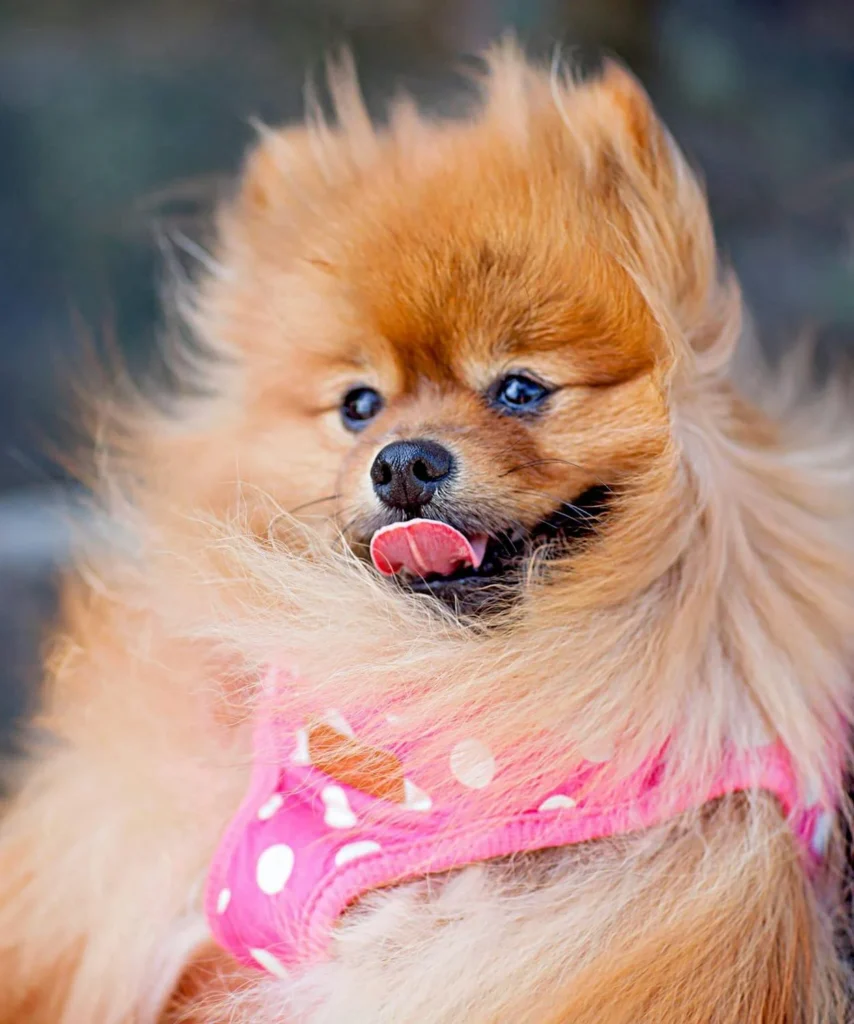
Picture this: You’re cuddling with your adorable Pomeranian when suddenly, you notice tiny droplets forming in their big, expressive eyes. Are they crying? Can dogs even cry like humans do? Let’s embark on a fluffy, tear-filled journey to uncover the truth about Pomeranian tears and what they really mean! 🕵️♀️💧
The Basics: Can Dogs Cry? 🐶💦
Before we dive into the specifics of Pomeranian tears, let’s address the fundamental question: Can dogs cry?
The Short Answer: Yes and No 🤔
Dogs have tear ducts and can produce tears, but not necessarily for the same reasons humans do. Here’s the breakdown:
- Physical Tears: Yes, dogs produce tears to keep their eyes healthy and clean. 👀
- Emotional Tears: No, dogs don’t shed tears due to emotions like humans do. 😢
Pomeranian Eye Anatomy 101 👁️
To understand why Pomeranians might appear to cry, let’s take a quick look at their eye structure:
- Tear Ducts: Produce tears to lubricate the eye
- Conjunctiva: The pink tissue surrounding the eye
- Lacrimal Glands: Produce the watery part of tears
- Nasolacrimal Duct: Drains excess tears into the nose
Why Do Pomeranians’ Eyes Water? 💧
Now that we know the basics, let’s explore why your Pom might be sporting those glistening eyes:
1. Normal Tear Production 😌
Some tear production is entirely normal and necessary for eye health. It:
- Lubricates the eye 🌊
- Removes debris 🧹
- Provides nutrients to the cornea 🥗
2. Epiphora: When Tears Overflow 🌊
Epiphora is the medical term for excessive tearing. In Pomeranians, this can be caused by:
- Blocked Tear Ducts: Tears can’t drain properly 🚱
- Eye Irritation: From dust, allergens, or foreign objects 🌿
- Shallow Eye Sockets: Common in brachycephalic breeds 👀
- Eyelid Abnormalities: Like entropion or ectropion 👁️
3. Emotional Responses 🎭
While Poms don’t cry emotional tears, they might produce more tears when:
- Excited 🎉
- Anxious 😰
- Stressed 😣
This is due to increased physical activity and changes in blood flow, not emotions directly.
Signs Your Pomeranian Might Be “Crying” 🔍
How can you tell if your Pom is experiencing excessive tearing? Look out for:
- Wet Fur around the eyes 💦
- Tear Stains (reddish-brown marks) 🟤
- Squinting or blinking more than usual 😉
- Pawing at the eyes 🐾
- Redness in the eye area 🔴
Common Causes of Excessive Tearing in Pomeranians 🧠
Let’s dig deeper into why your Pom might be shedding those extra tears:
1. Allergies 🤧
Pomeranians can be sensitive to:
- Pollen 🌼
- Dust 🏠
- Food ingredients 🍗
2. Eye Infections 🦠
Bacterial or viral infections can cause:
- Conjunctivitis (pink eye) 👁️
- Increased tear production 💧
3. Injury or Irritation 🤕
- Scratched cornea 💔
- Foreign object in the eye 🪵
4. Breed-Specific Issues 🧬
Pomeranians are prone to:
- Shallow eye sockets 👁️
- Inward-growing eyelashes (distichiasis) 💇♀️
5. Tear Duct Problems 🚰
- Blocked ducts 🚫
- Underdeveloped tear drainage system 👶
6. Glaucoma 🔵
Increased pressure in the eye can cause tearing and pain
7. Dry Eye Syndrome 🏜️
Ironically, this can lead to excessive tearing as the eye tries to compensate
When to Worry: Normal vs. Abnormal Tearing 🚨
How can you tell if your Pom’s tears are cause for concern? Here’s a handy chart:
| Normal Tearing | Abnormal Tearing |
|---|---|
| Clear tears 💧 | Colored or thick discharge 🟡 |
| Occasional wetness 💦 | Constant wetness 🌊 |
| No discomfort 😊 | Signs of pain or irritation 😣 |
| No change in behavior 🐾 | Pawing at eyes, squinting 🙈 |
| No odor 👃 | Foul smell 🦨 |
Solutions: Drying Those Pomeranian Tears 🧻
If your Pom is experiencing excessive tearing, here are some solutions to consider:
1. Regular Cleaning 🧼
- Gently wipe around the eyes daily with a damp cloth
- Use pet-safe eye wipes for convenience
2. Dietary Changes 🥗
- Try hypoallergenic food to rule out food allergies
- Ensure proper hydration 💧
3. Environmental Adjustments 🏠
- Use air purifiers to reduce allergens
- Keep your Pom’s face dry after baths or walks in the rain ☔
4. Grooming Habits 💇♀️
- Trim facial hair to prevent irritation
- Regular professional grooming to maintain eye area
5. Medical Treatments 💊
Always consult your vet before trying any medications:
- Antibiotic eye drops for infections
- Artificial tears for dry eye
- Allergy medications if recommended
6. Surgical Options 🏥
In severe cases, your vet might recommend:
- Tear duct flushing
- Corrective eyelid surgery
Preventing Excessive Tearing in Pomeranians 🛡️
An ounce of prevention is worth a pound of cure! Try these tips:
- Regular Check-ups 👨⚕️: Annual eye exams can catch issues early
- Balanced Diet 🥩: Proper nutrition supports overall eye health
- Eye Protection 🕶️: Consider doggy goggles for windy days or swimming
- Stress Reduction 🧘♀️: A calm Pom is less likely to experience stress-related tearing
- Clean Environment 🧹: Regular dusting and vacuuming can reduce allergens
The Emotional Side: Understanding Your Pom’s Feelings 🎭
While Pomeranians don’t cry emotional tears, they do express their feelings in other ways:
- Vocalizations 🗣️: Barking, whining, or howling
- Body Language 🐾: Tail position, ear movements, posture
- Facial Expressions 😊: Yes, dogs have them too!
Pomeranian Tear Stains: A Special Mention 🟤
Those reddish-brown marks under your Pom’s eyes aren’t just unsightly; they can indicate underlying issues:
Causes of Tear Stains:
- Excessive Tearing: More tears = more staining
- Porphyrins: Natural compounds in tears that oxidize and turn reddish-brown
- Yeast or Bacterial Growth: Thrives in moist environments
Dealing with Tear Stains:
- Regular Cleaning: Wipe daily with a gentle, pet-safe solution
- Dietary Supplements: Some owners swear by supplements that reduce porphyrin production
- Address Underlying Causes: Treat any medical issues causing excessive tearing
- Stain-Removing Products: Use with caution and vet approval
When to See the Vet: Red Flags for Pomeranian Eye Issues 🚩
While some tearing is normal, certain signs warrant immediate veterinary attention:
- Sudden Increase in tear production 📈
- Change in Tear Color or consistency 🌈
- Eye Redness or swelling 🔴
- Squinting or keeping the eye closed 😉
- Visible Third Eyelid (cherry eye) 🍒
- Cloudiness in the eye ☁️
- Loss of Appetite or lethargy 😴
The Pomeranian Crying Myth: Debunking Common Misconceptions 🧠
Let’s clear up some popular misunderstandings about Pomeranian “crying”:
Myth 1: Pomeranians Cry When They’re Sad 😢
Reality: Dogs don’t shed emotional tears. Their vocalizations and body language express emotions.
Myth 2: Tear Stains Mean Your Pom is Unhealthy 🤒
Reality: While tear stains can indicate issues, they’re often just cosmetic in otherwise healthy dogs.
Myth 3: All Teary-Eyed Poms Need Medication 💊
Reality: Many cases of excessive tearing can be managed with simple lifestyle and grooming changes.
Myth 4: Pomeranians Cry More Than Other Breeds 🐩
Reality: While their facial structure makes tearing more noticeable, Poms don’t necessarily produce more tears than other breeds.
The Science Behind Dog Tears: A Deeper Dive 🔬
Let’s get a bit technical and explore the composition of dog tears:
- Water: The main component, for lubrication 💧
- Mucin: Helps tears stick to the eye surface 🦠
- Lipids: Prevent evaporation of the tear film 💄
- Antibacterial Compounds: Fight off infections 🦸♀️
- Electrolytes: Maintain proper eye chemistry ⚗️
Fun Fact: Dog tears are actually quite similar to human tears in composition!
Pomeranian Eye Care: A Daily Routine 📅
Keep those Pom peepers healthy with this simple daily routine:
- Morning Check 🌞: Look for any discharge or redness
- Gentle Wipe 🧻: Use a damp, soft cloth to clean around the eyes
- Trim ✂️: Keep facial hair short to prevent irritation
- Meal Time 🍽️: Ensure food and water bowls are clean to prevent eye irritation
- Playtime 🎾: Use toys that won’t accidentally poke or scratch the eyes
- Evening Check 🌙: Another quick look for any changes or issues
Pomeranian Eyes Through the Ages: Puppy to Senior 👶👴
Eye care needs change as your Pom grows. Here’s what to expect:
Puppy Stage (0-1 year) 🐣
- Eyes fully open around 2 weeks
- Tear production starts to normalize
- Watch for congenital eye issues
Adult Stage (1-7 years) 🐕
- Establish regular eye care routine
- Annual check-ups become important
- Monitor for developing issues
Senior Stage (8+ years) 👵
- Increased risk of eye diseases like cataracts
- More frequent vet check-ups recommended
- Potential need for eye supplements
The Role of Genetics in Pomeranian Eye Health 🧬
Pomeranians, like all purebred dogs, can inherit certain eye conditions:
- Progressive Retinal Atrophy (PRA): Gradual vision loss
- Cataracts: Clouding of the eye lens
- Entropion: Inward-turning eyelids
- Distichiasis: Abnormal eyelash growth
Responsible breeding practices can help reduce these genetic risks.
Pomeranian Eyes vs. Other Breeds: A Comparison 👀
How do Pom eyes stack up against other breeds? Let’s see:
| Breed | Eye Shape | Tear Production | Common Issues |
|---|---|---|---|
| Pomeranian | Round, prominent | Moderate | Tear staining, shallow sockets |
| Chihuahua | Large, round | High | Similar to Poms |
| Bulldog | Wrinkled surrounding | Very high | Cherry eye, entropion |
| Collie | Almond-shaped | Moderate | Collie eye anomaly |
| Poodle | Oval | Low to moderate | Progressive retinal atrophy |
FAQs: All About Pomeranian “Crying” 🙋♀️🙋♂️
- Q: Why does my Pomeranian cry at night?
A: It’s likely not crying, but vocalizing due to anxiety, needing to potty, or seeking attention. 🌙 - Q: Can Pomeranians cry tears of joy?
A: No, dogs don’t produce emotional tears. Their happy “crying” is usually excited vocalization. 😊 - Q: How often should I clean my Pom’s eyes?
A: Daily gentle cleaning is ideal, with a more thorough cleaning 2-3 times a week. 🧼 - Q: Are tear stains harmful to my Pomeranian?
A: While usually just cosmetic, persistent tear stains can lead to skin irritation if not kept clean. 🧴 - Q: Can certain foods cause my Pom to tear more?
A: Yes, food allergies or sensitivities can increase tear production. Consult your vet about diet changes. 🥩 - Q: My Pom’s eyes water more in spring. Why?
A: Seasonal allergies can increase tear production. Consider allergy treatments or environmental changes. 🌼 - Q: Can stress make my Pomeranian’s eyes water more?
A: Yes, stress can increase overall bodily secretions, including tears. Address the source of stress for your Pom. 😰 - Q: Are eye drops safe for my Pomeranian?
A: Only use eye drops recommended by your veterinarian. Never use human eye drops on dogs. 💧 - Q: Can I use home remedies to reduce my Pom’s tear stains?
A: While some home remedies exist, always consult your vet before trying them to ensure they’re safe. 🏠 - Q: My Pomeranian’s eyes water more after grooming. Is this normal?
A: Temporary increased tearing after grooming can be normal due to irritation. If it persists, consult your groomer or vet. ✂️
Conclusion: Understanding Your Pomeranian’s Teary Eyes 🎓
While Pomeranians don’t “cry” in the human sense, their eyes can certainly produce tears for various reasons. By understanding the causes of excessive tearing, recognizing the signs of potential problems, and maintaining good eye care practices, you can keep your Pom’s peepers healthy and bright.
Remember, those big, expressive eyes are one of your Pomeranian’s most charming features. They may not shed tears of joy or sadness, but they certainly speak volumes about your furry friend’s health and happiness. Keep them clean, watch for any changes, and don’t hesitate to consult your vet with concerns.
Here’s to clear eyes and dry faces for your beloved Pomeranian! May your days be filled with happy tail wags, playful yips, and loving (tear-free) gazes from your fluffy companion. 🐾💖